
It’s been a long road from 2015 to 2026. Back then, when I first started formalizing the Film/Video-Based Therapy™ method, the idea of using a camera as a surgical tool for the soul was seen as “experimental.” People liked the concept, but the system: the big, clunky, bureaucratic healthcare machine: wasn’t quite ready for the digital revolution I knew was coming.
Fast forward a decade, and we aren’t just talking about “coping” anymore. We are talking about Post-Traumatic Growth (PTG).
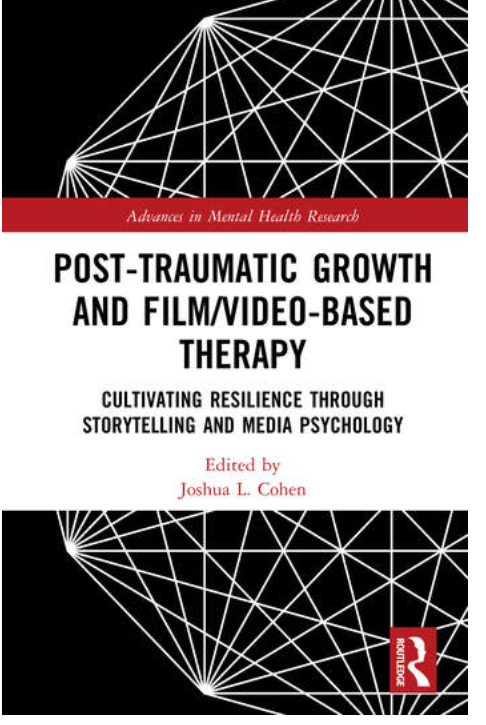
My latest work, Post-Traumatic Growth and Film/Video-Based Therapy, recently published by Routledge in the Advances in Mental Health Research series, is the culmination of ten years of clinical sweat, policy battles, and a deep-seated belief that storytelling is a human right. This isn’t just another textbook; it’s a blueprint for the next generation of healing.
📽️ From 2015 to 2026: A Decade of Digital Healing
My journey with this method started with a simple observation: people with trauma often lose their voice before they lose anything else. Whether it’s a veteran struggling with PTSD or a Californian fighting to keep their Medi-Cal benefits, the common thread is a fractured narrative.
In 2015, we laid the foundation with Video and Filmmaking as Psychotherapy: Research and Practice. That foundational work established the early clinical case for filmmaking as a therapeutic tool. The 2023 volume, Film/Video-Based Therapy and Trauma: Research and Practice, pushed the method further into trauma-focused research and practice. But reducing symptoms is just “not being sick.” Growth is something entirely different.

The 2026 release takes that foundation and injects it with a decade of technological advancement. We’ve moved from basic video editing to AI-driven story engines and VR-integrated therapeutic environments.
Why This Matters Now 💡
- Systemic Failure: The current mental health system is overwhelmed.
- The Tech Gap: AI is usually used for productivity; I’m using it for personhood.
- Human Dignity: Using your own story to advocate for your own life (and your benefits) is the ultimate form of PTG.
🚀 The Skip Rizzo Factor: Virtual Reality Meets Human Reality
I am incredibly honored that this volume features a foreword by Skip Rizzo, the legendary pioneer of VR therapy. Skip has spent decades proving that “virtual” experiences can create “real” neural change.
In this new book, we dive deep into how VR Story Engines allow trauma survivors to not just watch a film of their life, but to step inside a reconstructed narrative where they hold the power. We aren’t just revisiting the trauma; we are “re-authoring” it with the help of generative AI that can visualize metaphors as fast as a client can speak them.
One standout example comes from Chapter 11 by Dima Puchkarev, “Posttraumatic Growth and Documentary Storytelling in Grillo.” The chapter spotlights Grillo, an award-winning documentary honored with the Ron Kovic Peace Prize, focused on recidivism and redemption through Homeboy Industries. It’s a powerful illustration of how documentary storytelling can foster post-traumatic growth by helping people transform lived pain into reflection, meaning, and possibility.
“The power of film, video games, and mixed reality isn’t just in the ‘wow’ factor: it’s in the ability to create new strategies for dealing with the impact of trauma.” : Skip Rizzo (Foreword)
🧠 What is Post-Traumatic Growth (PTG)?
Most people know about PTSD. Fewer know about PTG. Post-Traumatic Growth is the positive psychological change experienced as a result of struggling with highly challenging life circumstances. It’s the “phoenix rising” moment.
My trademarked method, Film/Video-Based Therapy™, facilitates this growth by:
- Externalizing the Internal: Turning a hidden memory into a visible frame.
- Agency Restoration: Giving the “director’s chair” back to the survivor.
- Narrative Integration: Stitching the “broken self” back together through digital storytelling.
🛡️ Advocacy through Storytelling
For many of my clients, PTG looks like more than just “feeling better.” It looks like having the mental clarity and documentation to fight for their disability services. When you can tell your story clearly, you can advocate for your dignity.
🛠️ The Tech Stack: AI & VR Story Engines
We are living in a sci-fi novel, and I’m here to make sure it has a happy ending. The 2026 Routledge release highlights how we integrate AI Story Engines into the clinical process.
What We Do with AI/VR 🤖
- Generative Visualization: Helping clients create visual representations of their internal “safe spaces” or “inner critics” using AI art tools.
- Immersive Narrative Review: Using VR headsets to “walk through” a film the client has made, allowing for a somatic processing of their own story.
- Technical Consulting: I help hospitals and tech startups integrate these media psychology principles into their own patient tools.

📊 USP: Why Film/Video-Based Therapy™ is Different
I’ve lived through the benefit struggles myself. I know what it’s like to be a “case number.” That’s why my approach isn’t “standard.”
| Feature | Standard Talk Therapy | Film/Video-Based Therapy™ (FVBT) |
|---|---|---|
| Medium | Verbal Communication | Multimedia (Film, VR, AI, Digital Art) |
| Perspective | Internal/Subjective | Externalized/Cinematic (“The Director”) |
| End Product | Conversation | A Tangible Digital Artifact (The Film) |
| Advocacy Tool | Case Notes | Personal Narrative for Policy/Grant Advocacy |
| Engagement | Passive/Reactive | Active/Creative |
| Tech Integration | Low (Telehealth) | High (VR Story Engines, AI Visualization) |
💼 Why This Matters vs. What We Do
I believe in transparency. Before I tell you what I do, you need to know why I’m doing it.
Why This Matters ❤️
The healthcare system often strips people of their identity. When you have a chronic illness or disability, you become a “file.” This loss of identity is a secondary trauma. I do this work to give that identity back.
What We Do 💼
- Individual Consulting: Helping folks navigate Medi-Cal and disability systems using their own narratives.
- Corporate/Hospital Consulting: Teaching institutions how to use media psychology to improve patient outcomes.
- Therapeutic Advertising: Helping ethical businesses communicate their values without being exploitative.
- The Skool Community: A hub for learning these advanced FVBT methods.

🛒 Where to Get the Book
If you want to explore the full Routledge release, here are the current retailer and eBook options:
- Routledge (Publisher) — Post-Traumatic Growth and Film/Video-Based Therapy: Cultivating Resilience Through Storytelling and Media Psychology (ISBN 9781032505879): https://www.routledge.com/Post-Traumatic-Growth-and-FilmVideo-Based-Therapy-Cultivating-Resilience-Through-Storytelling-and-Media-Psychology/Cohen/p/book/9781032505879
- Amazon Kindle — 2026 volume: https://www.amazon.com/dp/B0FWCYS9NL
- Walmart — 2026 volume: https://www.walmart.com/ip/17665359340
- Barnes & Noble — 2026 volume: https://www.barnesandnoble.com/w/post-traumatic-growth-and-film-video-based-therapy-joshua-l-cohen/1148120736
- VitalSource (eBook) — 2026 volume: https://www.vitalsource.com/products/post-traumatic-growth-and-film-video-based-therapy-joshua-l-cohen-v9781040721353
🎁 Free Resources CTA
You can also access free supplementary clips, lesson plans, and interactive VR demos at filmandvideobasedtherapy.com. If you want a hands-on way to experience the ideas behind Film/Video-Based Therapy™, this is a great place to start.
🎓 Join the Revolution: The Skool Community
You don’t have to wait for the next textbook to start learning these methods. I’ve launched a Skool Community specifically for people who want to master the intersection of media psychology, digital storytelling, and trauma recovery.
For just $29/month, you get:
- ✅ Weekly live sessions on FVBT techniques.
- ✅ Deep dives into the 2026 Routledge research.
- ✅ A network of veterans, clinicians, and digital advocates.
- ✅ Practical tools for navigating government agencies and mental health systems.
[Click here to join the Your Digital Storytelling Project Skool Community] (Coming soon – Stay tuned!)
🌟 A Vision for the Future
As we look toward the rest of 2026 and beyond, my mission remains the same: to use technology as a bridge, not a barrier. Whether it’s through the pages of a Routledge textbook or a 1-on-1 consulting session, we are building a world where every story is heard, and every person is treated with the dignity they deserve.
“The wound is the place where the Light enters you.” : Rumi
In our case, that light is often coming from a projector, a VR headset, or a glowing screen. And that’s exactly where the healing begins.
Status: DRAFT for Dr. Cohen’s Review
{“@type”:”BlogPosting”,”image”:”https://cdn.marblism.com/924rXYYRM2g.webp”,”author”:{“url”:”https://yourdigitalstorytellingproject.com/”,”name”:”Dr. Joshua L. Cohen”,”@type”:”Person”},”@context”:”https://schema.org”,”headline”:”Post-Traumatic Growth in the Age of AI: A Deep Dive into the 2026 Routledge Release”,”keywords”:”Post-Traumatic Growth, Film/Video-Based Therapy, media psychology, therapeutic filmmaking, storytelling for recovery, VR therapy, digital storytelling trauma therapy”,”publisher”:{“logo”:{“url”:”https://yourdigitalstorytellingproject.com/favicon.ico”,”@type”:”ImageObject”},”name”:”Your Digital Storytelling Project 2 LLC”,”@type”:”Organization”},”description”:”Explore the 2026 Routledge release ‘Post-Traumatic Growth and Film/Video-Based Therapy’ by Dr. Joshua L. Cohen. Learn how AI, VR, and media psychology are revolutionizing trauma recovery.”,”datePublished”:”2026-06-20″