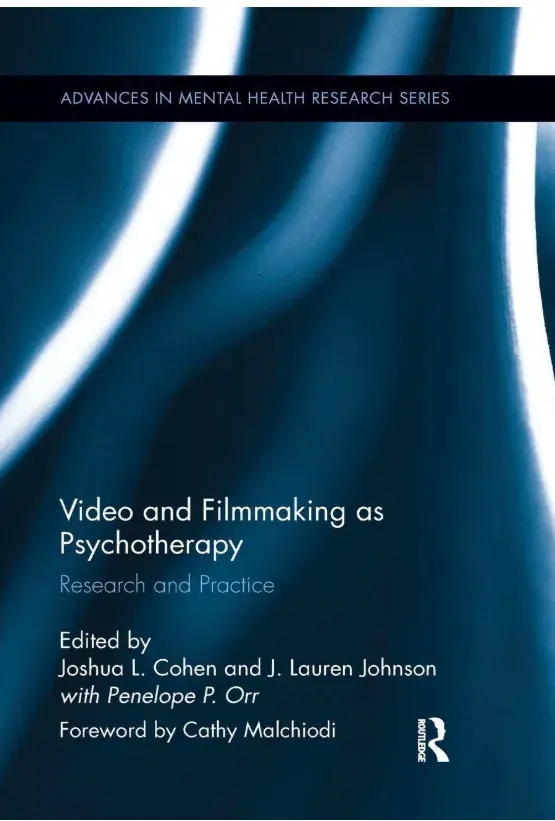
Book One · Routledge
A pilot for filmmakers and storytellers
Healing Storytelling for Filmmakers
You are the author of your story, the director of how it is represented, and the editor of what it means now.
02 / Begin with meaning
Tell Your Story is an author-led filmmaking and storytelling coaching and educational experience. It is designed to help people tell meaningful stories involving difficult human experiences, identity, resilience, transformation, and growth.
We will look at the choices behind a story: what you want to say, how you want to represent it, what form might serve it, and what meaning you want to make from it now. The work is grounded in curiosity, creative practice, and responsibility.
03 / The foundation
Participants will eventually go through all three Routledge books and all 45 chapters with Dr. Cohen. Together, we will translate the research and ideas into accessible filmmaking and storytelling lessons.
Book One · Routledge
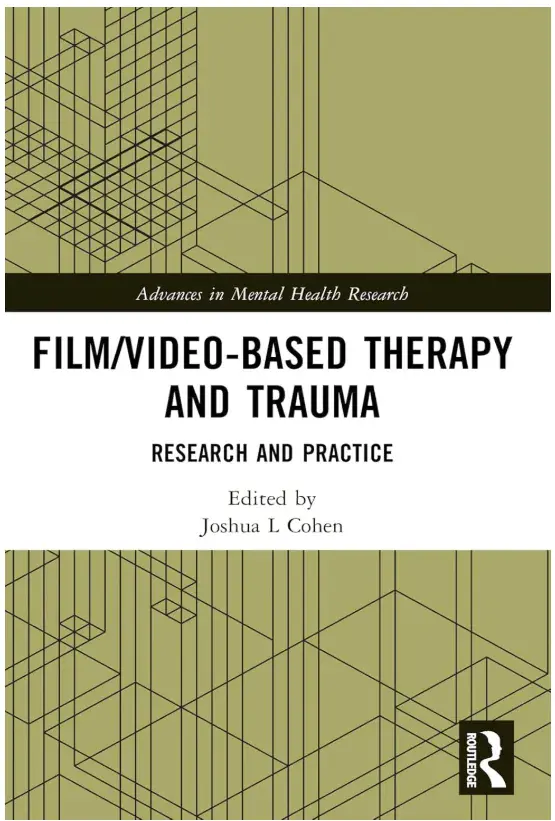
Book Two · Routledge
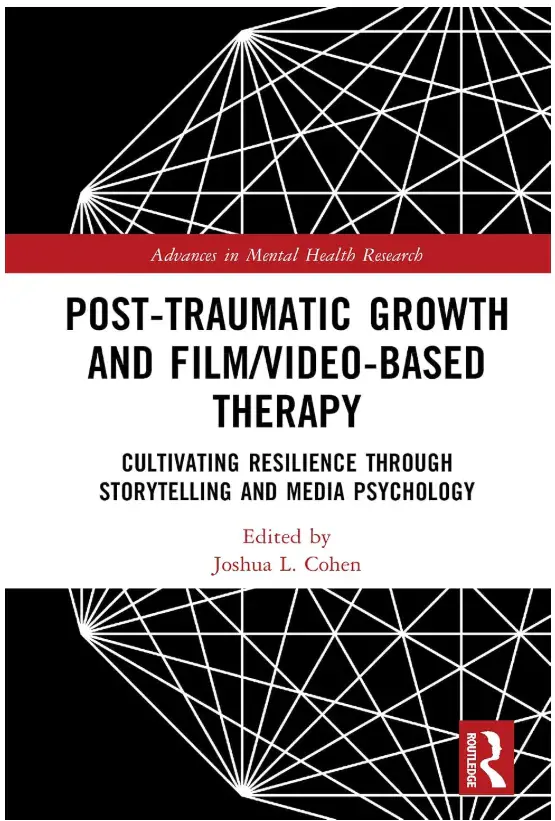
Book Three · Routledge
04 / A structured arc
01
Book One
Learn how filmmaking, editing, digital storytelling, documentary, art, animation, and technology can become tools for meaningful expression.
02
Book Two
Explore metaphor, memory, perspective, ethics, documentary, performance, immersive media, and ways of approaching difficult stories responsibly.
03
Book Three
Explore resilience, identity, meaning, self-representation, post-traumatic growth, and how filmmakers tell stories about what comes next.
05 / The practice
Watch → Reflect → Create → Share
01
Learn an idea through a lesson, example, or conversation.
02
Consider how that idea applies to your own storytelling.
03
Make something with the idea—on the page, on screen, or in another medium.
04
Have the opportunity to share your work with the community.
Participants learn an idea, reflect on its application to storytelling, create something, and have the opportunity to share their work with the community.
06 / The people in the room
Tell Your Story is for filmmakers and storytellers—especially people interested in documentary, personal filmmaking, digital storytelling, autobiographical work, and meaningful stories about human experience.
You might be developing a first idea, revising a work in progress, or looking for a more intentional way to represent a lived experience. You do not need to arrive with a finished film or a single definition of what your story means.
07 / The point of view
Most filmmaking education focuses on cameras, software, cinematography, or distribution. Those tools matter—but they are only part of the work.
Tell Your Story focuses on the human meaning behind the story and how cinematic tools can communicate that meaning. The central question is not only, “How do I make this?” It is also, “What am I trying to say, and how can the form help me say it responsibly?”
08 / The guide
Dr. Joshua L. Cohen is the editor or co-editor of the three Routledge books that anchor Tell Your Story. His work brings together media psychology, filmmaking, digital storytelling, Film/Video-Based Therapy™, trauma-informed storytelling, and post-traumatic growth.
As a filmmaker, educator, author, and editor, Dr. Cohen helps make research approachable and connects big ideas to the practical decisions storytellers face: what to show, what to leave out, how to shape perspective, and how to represent people with care.
09 / A clear boundary
Tell Your Story is an educational and coaching program. It is not psychotherapy, psychological treatment, or a substitute for mental-health care.
The program offers creative learning, reflection, and storytelling guidance. If you need mental-health support or treatment, please seek care from an appropriately licensed mental-health professional.
10 / The next chapter
Interested in learning more about the pilot? Bring your questions, your story idea, or the project you are beginning to shape.
Join the Tell Your Story Pilot